Essential Tools Every Digital Marketer Should Be Using Today
In the fast-paced world of digital marketing, having the right tools at your disposal can make all the difference. From content marketing to social media management, each tool serves a unique purpose that can enhance your marketing strategy. Understanding these tools and how they can benefit your business is crucial for achieving your marketing goals.
Content Marketing
Content marketing is a vital component of any digital marketing strategy. It involves creating valuable content that attracts and engages your target audience. By using tools like blog editors and content management systems, you can streamline your content creation process and ensure that your messaging is consistent and effective.
Moreover, effective content marketing not only drives traffic to your website but also builds brand authority. By providing informative and engaging content, you can establish your business as a thought leader in your industry, which can lead to increased trust and customer loyalty.
Email Marketing Campaigns
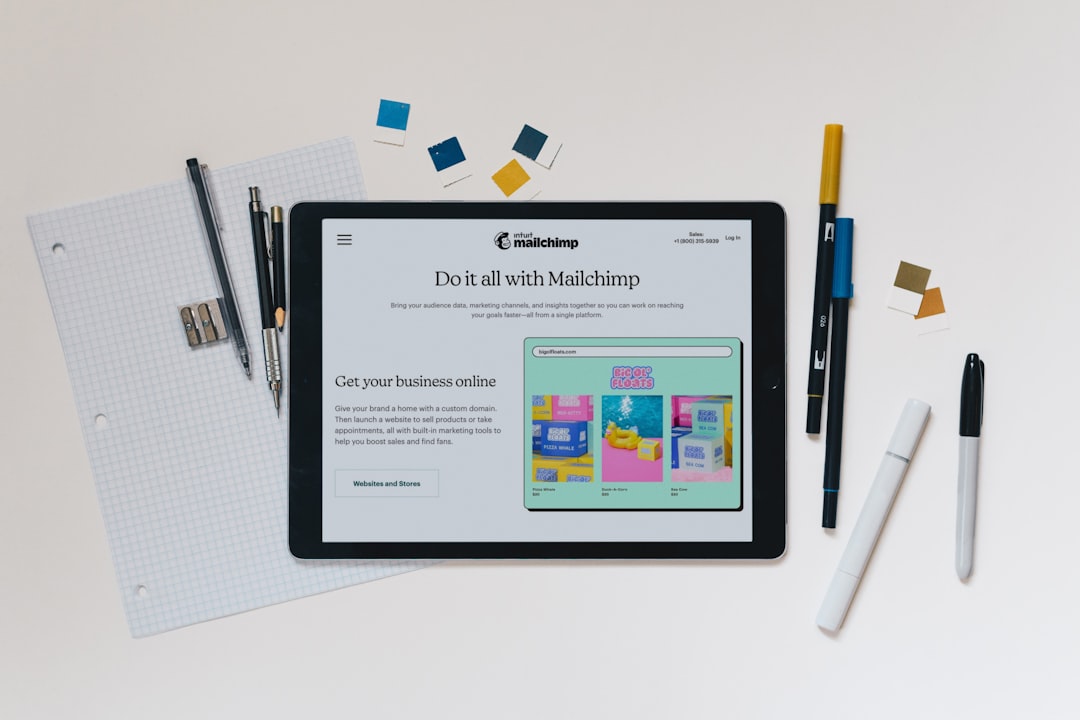
Email marketing remains one of the most effective ways to reach your audience directly. Utilizing email marketing platforms allows you to create targeted campaigns that resonate with your subscribers. These tools often come with analytics features that help you track open rates, click-through rates, and conversions, enabling you to refine your strategy over time.
Additionally, personalized email campaigns can significantly enhance user engagement. By segmenting your audience and tailoring your messages, you can ensure that your emails are relevant and valuable, which can lead to higher conversion rates and improved customer relationships.
Social Media Management
Social media platforms are essential for connecting with your audience and promoting your brand. Social media management tools help you schedule posts, track engagement, and analyze performance across various platforms. This not only saves time but also ensures that your content reaches your audience when they are most active.
Furthermore, engaging with your audience on social media can foster a sense of community around your brand. By responding to comments and messages promptly, you can build relationships and enhance customer satisfaction, which is crucial for long-term success.
Influencer Marketing
Influencer marketing has become a powerful strategy for reaching new audiences. By collaborating with influencers who align with your brand values, you can tap into their follower base and gain credibility. Tools that help identify and manage influencer partnerships can streamline this process and ensure that your campaigns are effective.
Moreover, influencer marketing can provide authentic content that resonates with your audience. When influencers share their experiences with your products or services, it can lead to increased trust and higher conversion rates, making it a valuable addition to your marketing strategy.
Search Engine Optimization
Search engine optimization (SEO) is crucial for improving your website’s visibility on search engines. SEO tools help you analyze keywords, track rankings, and optimize your content for better performance. By implementing effective SEO strategies, you can attract organic traffic and increase your chances of converting visitors into customers.
Additionally, a well-optimized website enhances user experience, which can lead to lower bounce rates and higher engagement. By focusing on SEO, you not only improve your search rankings but also provide valuable content that meets the needs of your audience.
Pay-Per-Click Advertising
Pay-per-click (PPC) advertising is an effective way to drive targeted traffic to your website. Using PPC tools allows you to create and manage ad campaigns that reach specific demographics. This targeted approach ensures that your advertising budget is spent efficiently, maximizing your return on investment.
Furthermore, PPC campaigns can provide immediate results, making them an excellent complement to your long-term marketing strategies. By analyzing the performance of your ads, you can make data-driven decisions that enhance your campaigns and improve overall effectiveness.
Step-by-step plan:
Step 1: Identify your marketing goals and target audience. Step 2: Choose the right tools that align with your strategy. Step 3: Implement your campaigns and monitor performance. Step 4: Analyze results and optimize for better outcomes.